right_side

Followers


The old pond
A frog jumps in —
The sound of the water.

--

Nel vecchio stagno
una rana si tuffa -
Rumore d'acqua.

(Matsuo Bashō)


Over the wintry
forest, winds howl in rage
with no leaves to blow.

(Natsume Soseki)


Mist before the peak -
the dream
Goes on

(Jack Kerouac)


Over the mountain bright
the full white moon now smiles . . .
On the flower-thief

--

O luna del monte,
illumina la via
al ladro dei fiori.

(Kobayashi Issa)


The pond and the river
have become one,
In the spring rain,

--

Si mescolano
il lago e il fiume
nella pioggia di primavera.

(Yosa Buson)


Spring rain:
I am certain I saw
the spirits of stones.

--

Nella pioggia primaverile
di certo, è uscito
lo spiritello della pietra.

(Murakami Kijo)


The wind of Mt. Fuji
I've brought on my fan!
a gift from Edo.

--

Il vento del fuji
nel mio ventaglio
porto in dono a Edo

(Matsuo Bashō)


Trombone jazz,
Tende che si muovono,
Pioggia di primavera.

(Jack Kerouac)


No sky
no earth - but still
snowflakes fall

(Hashin)


I am one
Who eats his breakfast,
Gazing at morning glories.

(Matsuo Bashō)


Covered with the flowers,
Instantly I'd like to die
In this dream of ours!

(Etsujin)


I kill an ant
and realize my three children
have been watching.

(Shuson Kato)


First autumn morning:
the mirror I stare into
shows my father's face.

(Kijo Murakami)


The summer river:
although there is a bridge, my horse
goes through the water.

(Masaoka Shiki)

My Life in Haiku.. by Alberto Savoi
In:

Haiku 8 August 2009


.
.
.
.


.
.
.

.
.
.
.
.
.

A huge rocky face
.
overtops a snowy vale,
.
chamoises are dancing.
.
(Alberto Savoi)


Un' enorme parete rocciosa
.
sovrasta una gola nevosa,
.
camosci danzano.
.
(Alberto Savoi)

In:

Haiku 6 August 2009


.
.
.
.
.
.
.
.
.
.

.
.
.

.
.
.

.
Turn the page and my

finger touches the rough paper,

it is time to read.

(Alberto Savoi)


Volto pagina e il mio

dito tocca la ruvida carta,

è tempo di leggere.

(Alberto Savoi)

In:

Haiku 5 August 2009


.
.
.
.
Sunny sleeping town

an old baker is working -

fragrance of fresh bread.

(Alberto Savoi)


In un paese dormiente

un vecchio panettiere è al lavoro -

profumo di pane fresco.

(Alberto Savoi)

In:

Haiku 4 August 2009


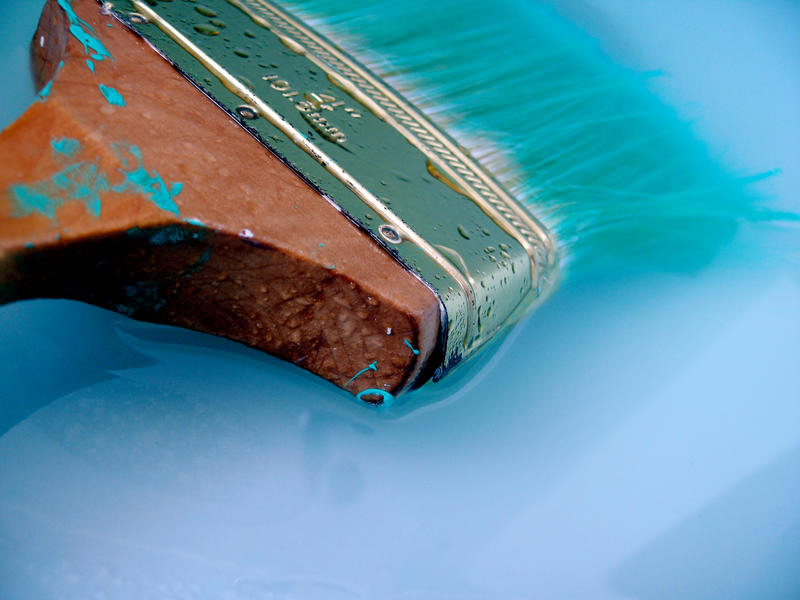
Washing the paintbrushes -

suddenly colorful water,

fabulous nuance.

(Alberto Savoi)


Lavo i pennelli -

l'acqua improvvisamente è piena di colori,

una magnifica sfumatura.

(Alberto Savoi)

In:

Matsuo Bashō

A collection of great Haiku of Bashō :


In:

Yosa Buson


Buson, excellent painter and poet, succeeded in evoking clear images in his picturesque haiku filled with light.


His expressions are so refined that he has no equal in technique. He had genius and he could make feel the eternity beyond the landscape by describing only one peaceful scene.


His poems are descriptive, but their scenery is idealized rather than realistic. This means that he wanted to describe the essence of things, not their surfaces.


My favorite Haiku :

I go out alone

to visit a man alone

in this autumn dusk

(Yosa Buson)

In:

Haiku 3 August 2009 afternoon


A lonely rain drop

lost in the middle of the wood -

tear from a far place


(Alberto Savoi)


Una goccia di pioggia

perduta nel bel mezzo della foresta -

una lacrima da un paese lontano.

(Alberto Savoi)

In:

Haiku 3 August 2009 morning


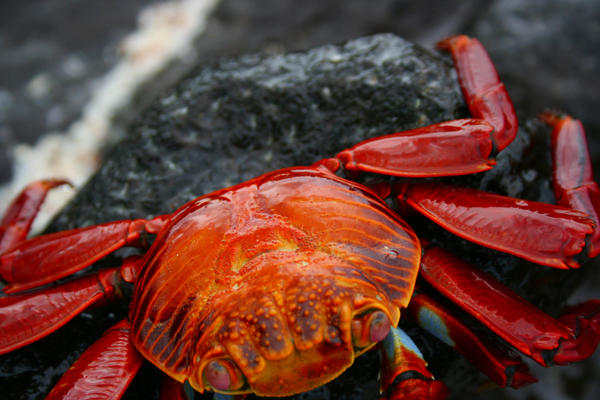
Walking on the sand -

a crab became the beach king,

but a wave swamped it.

(Alberto Savoi)


Cammindo sulla sabbia -

un granchio diventa re della spiaggia,

un'onda lo sommerge.

(Alberto Savoi)
In:

Haiku 2 August 2009 morning


Open the window

a breath of fresh air hit me -

my soul is clean now.

(Alberto Savoi)


Apro la finestra

una folata d'aria fresca mi invade -

ora la mia anima è pulita.

(Alberto Savoi)

In:

Haiku 2 August 2009 night


Push the gas pedal -

music is around us and

the white moon watches us.

(Alberto Savoi)


Premi l'acceleratore -

la musica ci irradia e

la palllida luna ci osserva.

(Alberto Savoi)

In:

Haiku 1 August 2009 afternoon


Delicious fruits

travel all over the world -

always smiling at us.

(Alberto Savoi)


Frutti delizioni

viaggiano in ogni angolo del mondo -

sorridendoci sempre.

(Alberto Savoi)

In:

Haiku 1 August 2009 morning


Just open my eyes

hearing the roaring cars -

hot urban jungle.

(Alberto Savoi)


Con occhi appena aperti

odo il ruggito delle automobili -

una calda giungla metropolitana.

(Alberto Savoi)

In:

John Lennon about Haiku


"I think Haiku is .. the most beautiful form of poetry I know"


John Lennon

In:

Haiku 31 July 2009


Drinking a Coffee -

the beginning of this day,

explosion of taste.

(Alberto Savoi)


Bevendo un caffè -

esplosione di sapori,

è l'inizio della giornata.

(Alberto Savoi)

In:

Haiku 30 July 2009


Some young distant souls

finally dance together -

the oceanic dream.

(Alberto Savoi)


Giovani anime lontane

danzano finalmente unite -

sogno oceanico.

(Alberto Savoi)


In:

Haiku 15 July 2009


A warm summer night -

dreaming a distant holiday,

flies looking for light.

(Alberto Savoi)


Calda notte estiva -

sognando una vacanza lontana,

mosche in cerca di luce.


(Alberto Savoi)

In:

Jack Kerouac's Haiku


Jack Kerouac reading " American Haiku " a number of original Haiku read to some jazz riffs.
-
Alcuni "American Haiku" letti direttamente da Jack Kerouac e accompagnati con della buona musica jazz..


In:

Perchè scrivere Haiku

Cimentarsi con gli Haiku significa osservare il mondo con occhio attento. Costringe a liberarsi delle sovrastrutture, delle parole inutili e superflue, di tutti i concetti che contemporaneamente si affollano attorno ad un evento, ad una esperienza, ad una sensazione. Ci spinge a "guardare" e soprattutto a "cogliere" l'essenza di un accadimento di cui siamo testimoni, la sostanza di una esperienza, il centro di una emozione. Una grande scuola di vita e di riflessione.


俳句

In:

What is a Haiku?


Haiku è una poesia dai toni semplici che elimina i fronzoli lessicali e le congiunzioni e trae la sua forza dalle suggestioni della natura e le sue stagioni e dall'animo umano.

--

Haiku is a very short poetic form.
The poet must be concise because of the brevity, while concentrating deep spiritual understanding into the poem. The haiku poet usually takes up the changes of nature which have impressed him in order to express the intangible world of the spirit.


Contributors